Be precise about your patch.
South Acton is listed with W3. These are representative postcode districts, not exact boundaries. A complete job address and your starting point matter more than a district label.

A visit works better when its practical requirements are clear before arrival. Explain your experience and the service you can deliver with an agreed brief, suitable equipment and realistic hours.
Each job is agreed around its address, tasks, hours and your suitability.
 South Acton · W3
Moving area names stop while hovered or focused. Press Enter or Space, or tap the moving area, to keep them still after leaving. Activate again to allow movement. Browse the directory for the complete list.
Choose the work you can deliver reliably, with clear travel limits, availability and skills.
South Acton is listed with W3. These are representative postcode districts, not exact boundaries. A complete job address and your starting point matter more than a district label.
Share the days and hours you can reliably work, allowing time between visits. Early starts, evening finishes and any travel limits need to be clear before a job is agreed.
Tell us which cleaning tasks you can confidently deliver. Ironing, laundry and detailed cleaning use agreed time; specialist work needs the appropriate skills and equipment.
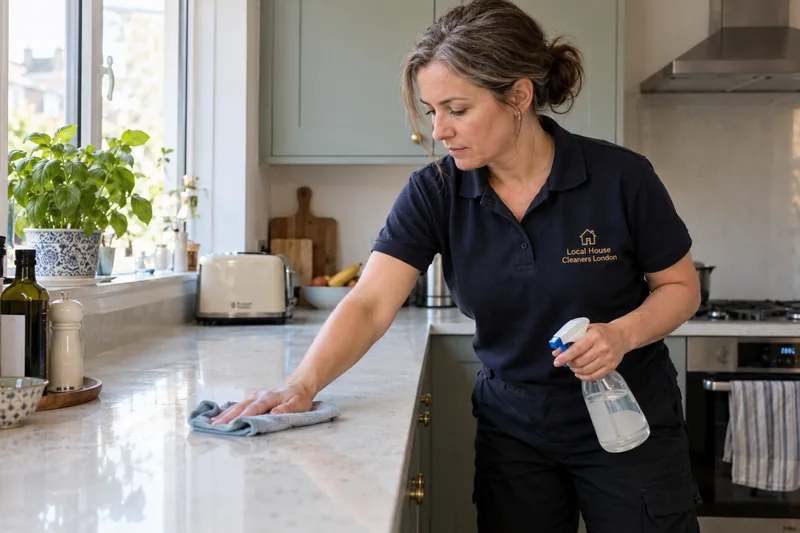 South Acton · W3
Ealing · Acton · West Ealing · Hanwell. Compare your preferred areas and check the complete address and journey before agreeing any work.
National Rail publishes South Acton station's address on Palmerston Road at W3 8TG. The council's Acton town-plan material also identifies Acton Gardens as the former South Acton Estate. These are useful local references, but neither a station name nor development context supplies the address and entrance for a particular household.
Ask for the complete destination when work is discussed and check the actual journey from where you will leave. W3 helps organise the directory rather than guarantee every route fits your hours. Public planning material should not be used to assume a home's condition, layout or need for building-related cleaning. No agency customer relationship or vacancy at a named station or development is claimed.
 South Acton · W3
A usable offer should describe rooms, specific duties and the main priorities together. Establish the starting condition and whether the first appointment needs more detail than a later maintenance routine. A service label or bedroom count is not enough to choose equipment or decide that the allotted time covers the work.
Clarify the boundaries in ordinary room requests. Kitchen surfaces differ from appliance and cupboard interiors; bedroom cleaning does not automatically mean changing several beds. Ask about excluded spaces and fragile belongings. If the list is too large for the hours, explain the conflict before accepting. If washing up forms part of the request, clarify the items and where they should be put away. A kitchen selection should not require you to infer private storage arrangements or decide how unfamiliar objects are handled. Give that work its place in the time plan alongside the surfaces and other agreed duties. Good preparation starts with an achievable agreement, not a promise to improvise a way through an unlimited checklist.
Ask which tools the customer supplies and which items you have agreed to bring. That distinction belongs in the offer because it affects both the service and the journey. A suitable vacuum, mop or other essential tool should be identified where the duty depends on it. Do not assume an item is available simply because most households would be expected to have one.
If supplied equipment cannot be used, explain which priority is affected and obtain a decision. Quietly substituting an unsuitable tool may change the result without anyone understanding why. Ask where equipment is kept and where it belongs afterwards, avoiding unrelated private storage. A practical arrangement lets the authorised time be used on cleaning rather than searching the home or resolving an avoidable setup issue.
Describe how you follow instructions and recognise when a material needs clarification. A room may contain several finishes; one product should not be assumed appropriate for all of them. Check any special care guidance before use. An unidentified bottle does not provide enough information to select a treatment, and mixing an uncertain substitute is not a sensible answer to missing supplies.
An existing mark or damaged area may affect what can safely be undertaken. Report the observation factually and request guidance without guessing at responsibility or promising restoration. Specialist treatment, high access or repairs should be assessed separately from ordinary cleaning. Explaining these limits in your application helps the agency understand the service you can confidently offer and where a request needs another arrangement.
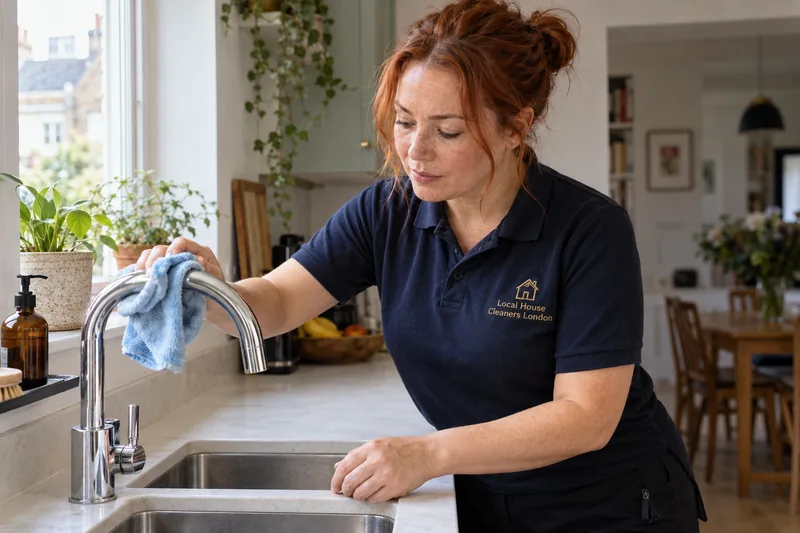 South Acton · W3
If you offer ironing, establish the intended garments, care instructions, equipment and allocation of time. A linen-change request needs the specified beds and complete replacement pieces ready. These are practical duties sharing the same appointment as cleaning. They should not appear as effortless additions which leave every original priority untouched.
Laundry needs its stages and handover agreed. Identify which items are included, what you will complete and who continues if a cycle runs beyond departure. The household should know whether work has reached washing, drying or another stage rather than infer that the whole process is finished. Do not accept an open-ended expectation to wait indefinitely or use hours already assigned to other duties.
Know the agreed means of entry and the contact able to resolve a problem if the customer is away. Permission concerns the particular home; it should not be inferred from an address or obtained through an unrelated person. Keep keys and codes within the private process, and ask about leaving instructions or an agreed key return before departure.
Finish with a concise account of completed priorities and any exception needing attention. Distinguish a duty excluded beforehand from something awaiting clarification. Where a work photograph is authorised, frame the relevant result without personal papers, faces or security details. The record should explain the service rather than collect unrelated information from inside the household.
State the availability you can maintain, distinguishing recurring weekly or fortnightly periods from occasional openings. Include your earliest arrival, required finish and journey from the real starting point that day. Check current route information and consider equipment you will carry. Packing away and onward travel need room too; being familiar with Palmerston Road does not supply a duration to every home.
The advertised cleaner starting figure is £15 gross per hour. Establish the applicable rate, authorised period and payment terms for the actual offer. Additional paid time requires approval before an extension and must fit your next commitment. If extra duties cannot fit, priorities need a decision. No vacancy, minimum hours or weekly income is guaranteed by an application or the starting figure.
Describe relevant cleaning methods and responsibilities while keeping former households anonymous. Connect that experience with practical South Acton coverage and current hours. Use notes to explain a limitation where a form choice is too broad, and correct changed circumstances during review. A truthful offer is more useful than claiming every duty or selecting an area you cannot reliably reach.
Any identity evidence must follow the separate verification route specifically requested by the agency, outside ordinary experience text. Submission begins assessment rather than approving access to work. If a suitable visit is later accepted, maintain the same clarity: report an obstacle promptly, keep authorised changes understandable and record the actual time accurately. Preparation, careful work and a factual handover should remain connected throughout the service.
No. Council planning context does not tell us an individual property's condition, layout or required service. The actual household brief must establish those details.
Yes. Clarify what is provided and what you have agreed to bring, particularly where a duty depends on a specific usable tool.
Ask for clarification before treatment. Do not use an unidentified chemical or promise specialist restoration as part of routine cleaning.
No. Assessment and required verification precede approval, and a later offer must have its service, hours and payment terms agreed.
Keep your details together with a private cleaner account.
Complete your application with your skills, working areas and dependable availability.
Complete the secure verification process for identity and relevant work eligibility, followed by agency review before approval for work.
Once approved, consider suitable jobs when there is genuine demand. Work is not guaranteed.
Work is subject to agency approval, agreed terms and customer demand.
Cleaner approval includes a review of identity, relevant work eligibility, experience and practical competence. Any work must have an agreed scope, rate and working arrangements before it starts.
Identity checks require a separate secure process. Do not send identity documents through general application fields or job photographs.
Read the application processSee the area before choosing your working patch. Check the actual job address and journey before accepting work.
Area reference only. This map does not mark a company office or confirm service boundaries.
This embedded map is provided by Google, which receives connection information and may use cookies. Google privacy information.
Explore the opportunity and application steps before choosing your working areas.